
Introduction
Ensuring the longevity of your PPR pipe systems is crucial for maintaining efficient water flow and avoiding costly repairs. With proper maintenance, these pipes can serve you reliably for years to come. Here are some essential tips to keep in mind.
Regular Inspections
Start by conducting regular inspections of your PPR pipes. Look for signs of wear and tear, such as cracks or discoloration. Use a flashlight to inspect areas that are difficult to see, and don’t forget to check the fittings and joints for tightness. Early detection of issues can prevent major problems later on.
Avoid Excessive Stress
PPR pipes are designed to withstand normal operating pressures but can be vulnerable to excessive stress. Ensure that the pipes are not subjected to sharp bends or kinks, which can weaken the material over time. Use appropriate fittings and supports to maintain the pipe’s shape and integrity.
Protect from Extreme Temperatures
While PPR pipes are known for their temperature resistance, prolonged exposure to extreme heat or cold can still affect their lifespan. Keep pipes insulated in areas prone to temperature fluctuations, such as outdoors or near heating/cooling systems. This will help maintain a stable environment and prevent premature aging.
Cleanliness Matters
Maintaining the cleanliness of your PPR pipe systems is vital. Debris, sediment, and chemicals can accumulate over time, causing clogs and corrosion. Regularly flush the system with clean water to remove impurities. For industrial applications, consider implementing a water treatment program to protect against contaminants.
Proper Installation
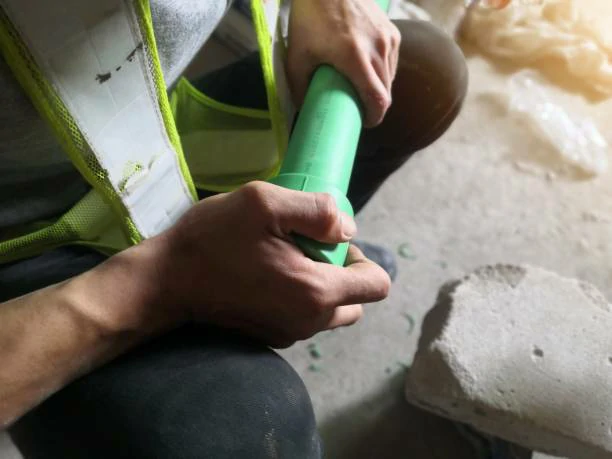
The key to long-lasting PPR pipes lies in proper installation. Hire experienced professionals who understand the material’s unique properties and requirements. Ensure that pipes are cut and joined according to manufacturer specifications, using the correct tools and techniques. A well-installed system is less prone to leaks and other issues.
Prevent Chemical Damage
PPR pipes are generally resistant to most chemicals, but there are exceptions. Be aware of the chemicals used in your water supply or nearby processes that could come into contact with the pipes. Avoid storing or using harmful substances near your PPR piping systems to prevent chemical degradation.
Address Leaks Promptly
Even small leaks can lead to significant damage over time. Regularly check your PPR pipes for signs of moisture or discoloration that might indicate a leak. If you suspect a leak, address it immediately. A quick fix can prevent water damage, mold growth, and further degradation of the pipe system.
Conclusion
Maintaining your PPR pipe systems doesn’t have to be a daunting task. By following these simple tips, you can ensure that your pipes remain in excellent condition for years to come. Regular inspections, proper installation, and timely repairs are key to maximizing the lifespan of your PPR piping systems. Remember, a little prevention goes a long way in preserving the integrity of your water infrastructure.
The IFAN PPR piping system adheres to international standards, including ISO 15874 series, EN 15874 series, ASTM F2389, DIN 8077/8078, GB/T 18742 series, and NBR 15884.
Contact
IFAN is a professional manufacturer with 30 years of experience, dedicated to producing high-quality plastic pipes, fittings, and valves. Our products include brass valves, PPR valves, as well as various pipes and fittings to meet different customer needs. Whether you need plumbing and drainage pipes or valve products, IFAN can provide a diverse range of high-quality, cost-effective products to support your projects. Below is our contact information.
We will reply your email or fax within 24 hours.
You can call us at any time if there is any question on our production.
For more information,pls visit our webside https://pipefittingpro.com/
Pls Mailto: [email protected]
Whatsapp: + 86 19857948982







Recent Comments